Cargill Foundation makes its first grants outside the Twin Cities in 75 years, starting in Atlanta and Wichita
The Minneapolis foundation said on Oct. 13 that it has budgeted $1 million each for Atlanta and Wichita in 2026, with six nonprofit partners chosen in each city, alongside $14.5 million for Minneapolis and St. Paul.
Minneapolis. The Cargill Foundation, which has made its grants in Minneapolis and St. Paul since 1951, said on Oct. 13 that it has begun making grants in Atlanta and in Wichita, Kan., the first time in its 75 years that it has funded work outside the Twin Cities. It has chosen six nonprofit partners in each of the two cities for its first grants there.
The Cargill Foundation's 2026 grantmaking budget by community
The foundation's 2026 grantmaking budget includes $14.5 million for the Twin Cities and $1 million each for its first year in Atlanta and Wichita, according to its announcement. The announcement does not name the 12 new partners.
The same three fields
The foundation funds nonprofits working on childhood nutrition, STEM education, and college and career readiness, and it said the same focus areas will guide its work in the new cities. Beyond program grants, it pays for projects that strengthen the nonprofit and philanthropic sectors, including select capital projects for its partners. It describes its goal as closing the opportunity gap for low-income youth facing the widest disparities.
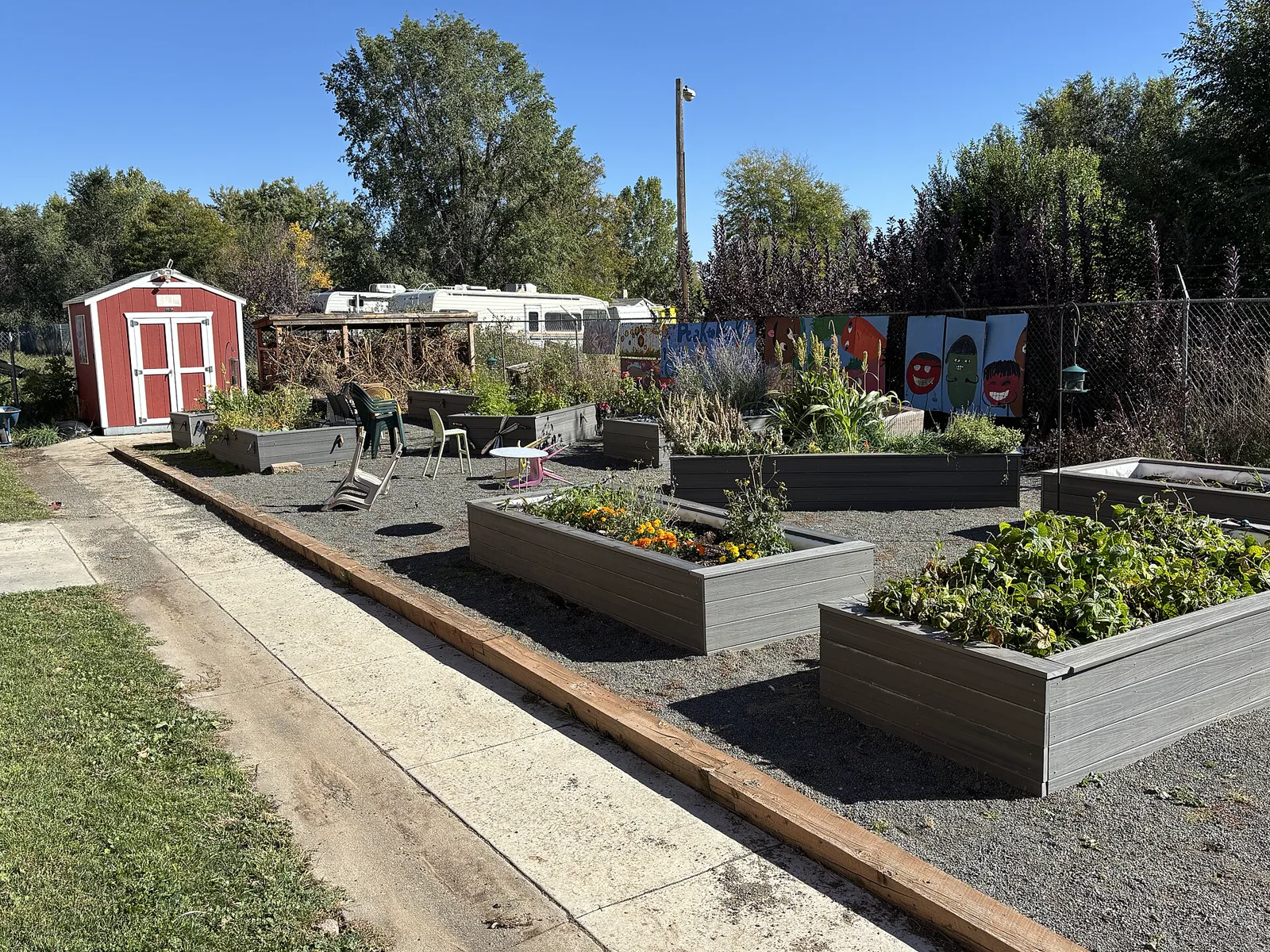
As examples of its work in the Twin Cities, it named Saint Paul Public Schools' Grow Our Own School Garden Program, which reaches nearly 5,000 students a year across 42 schools; the Green Tech Institute of MIGIZI, which trains young people for careers in green energy; and the College & Career Centers of Achieve Twin Cities, which help students in 26 public high schools plan for life after graduation.
Where the company works
Both new cities are places where Cargill, Incorporated has employees. The company has been in Wichita for 47 years and employs more than 750 people there, and it opened an office in Atlanta in June 2024. Employee-led advisory councils in both cities will help set local giving priorities and choose partners, the foundation said.
The foundation is a Minnesota nonprofit corporation and a separate legal entity from the company. It receives support from Cargill but has its own board, governance, mission and programs. It says it has put more than $300 million into the Twin Cities since its founding, and that its endowment gives it steady long-term funding and room to respond when communities face unexpected trouble, as during the COVID-19 pandemic.
“The Cargill Foundation's 75-year history has shown us that lasting change begins with listening to communities and investing in nonprofit organizations equipped to address local needs.”
About this story
501c3.help wrote this story from the sources listed with it, not from material an organization sent. Our editors approved it on Oct. 14, 2026. Stories in The Nonprofit Herald are free, and nothing is asked in return. Editorial rules.
Found an error? Write to team@501c3.help and we will correct it.
For the organizations in this story: put the badge on your website

Put it on your About page or wherever you list press mentions, rather than in a footer that repeats on every page. It links to this story.
Linking is welcome and never required. Nothing about the story changes either way.